
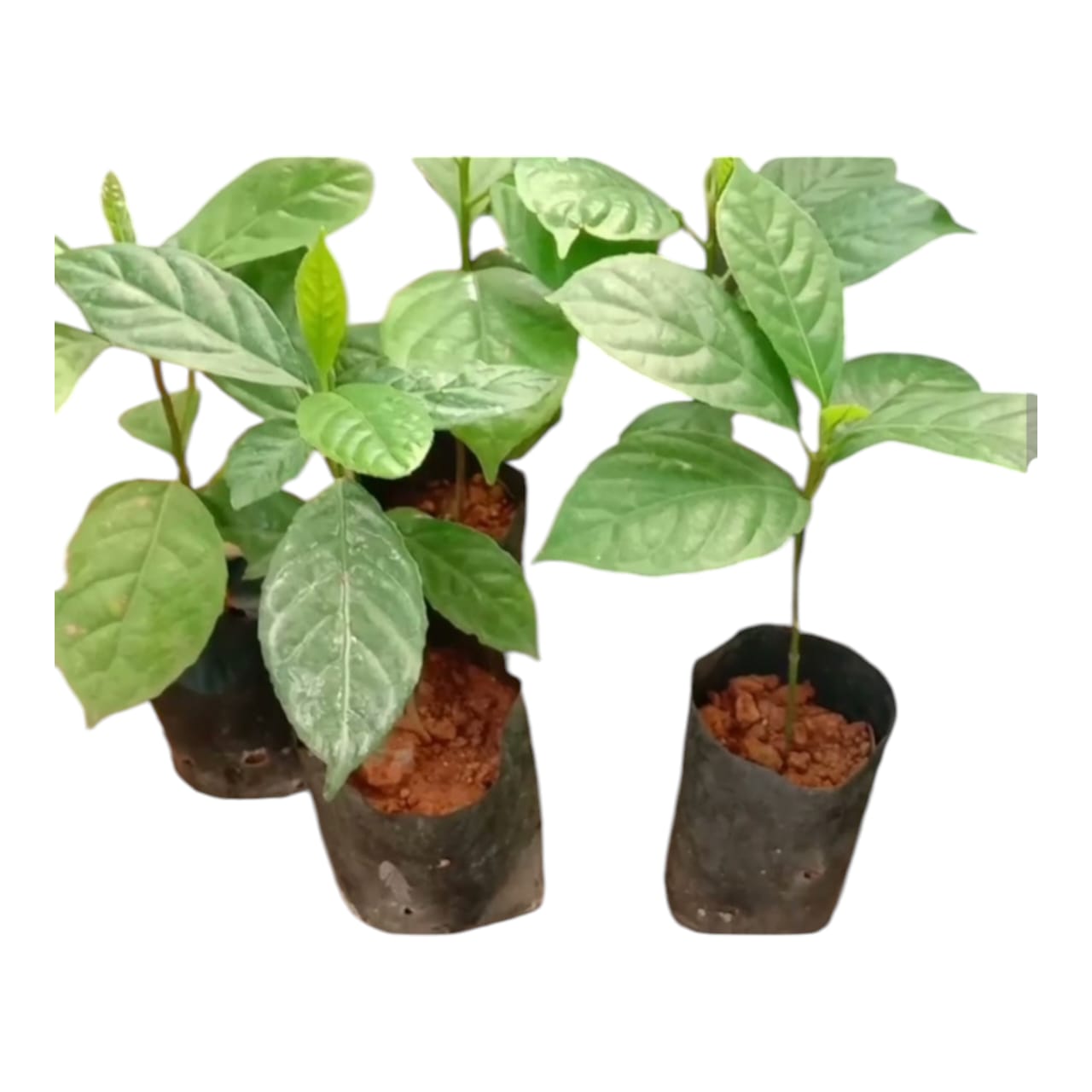
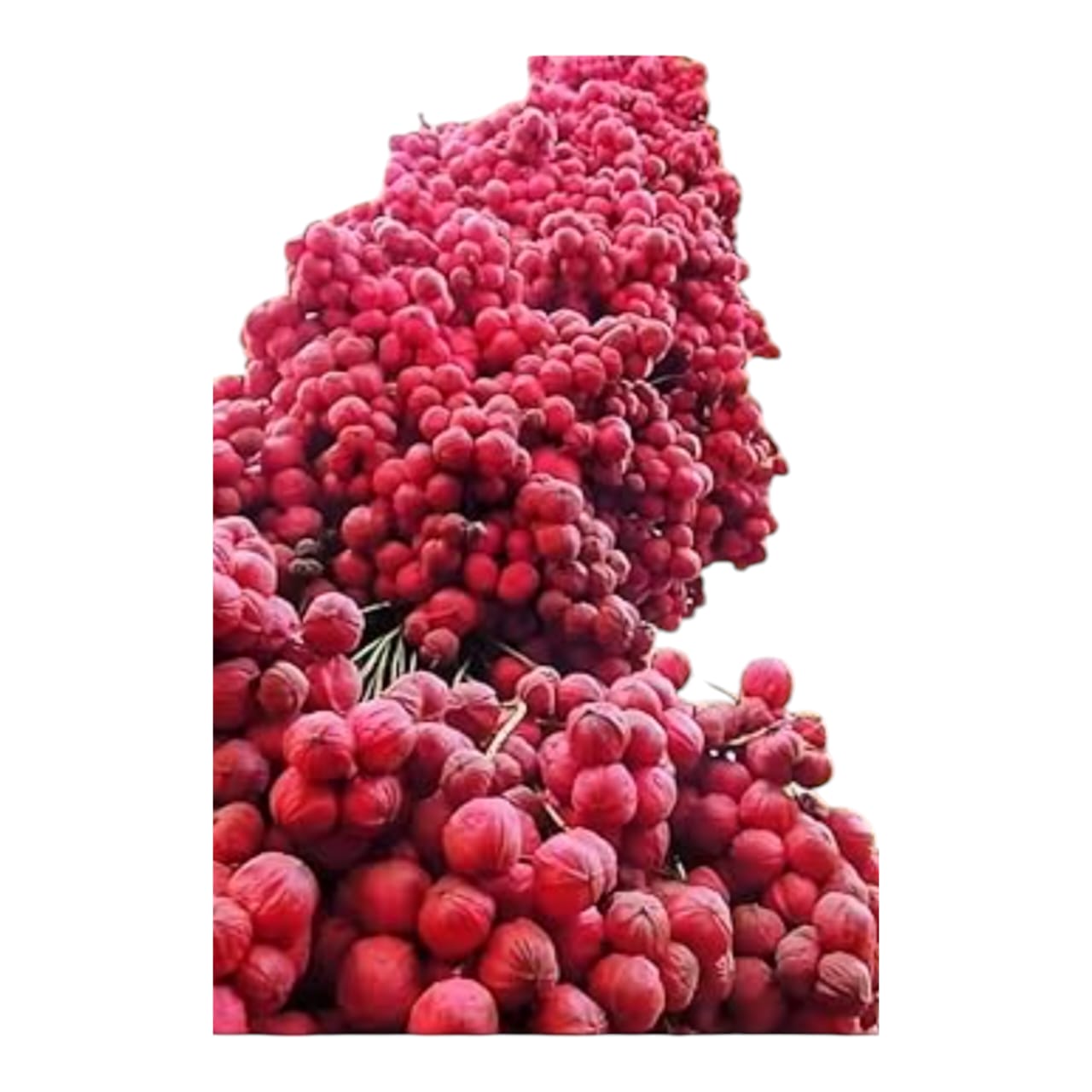
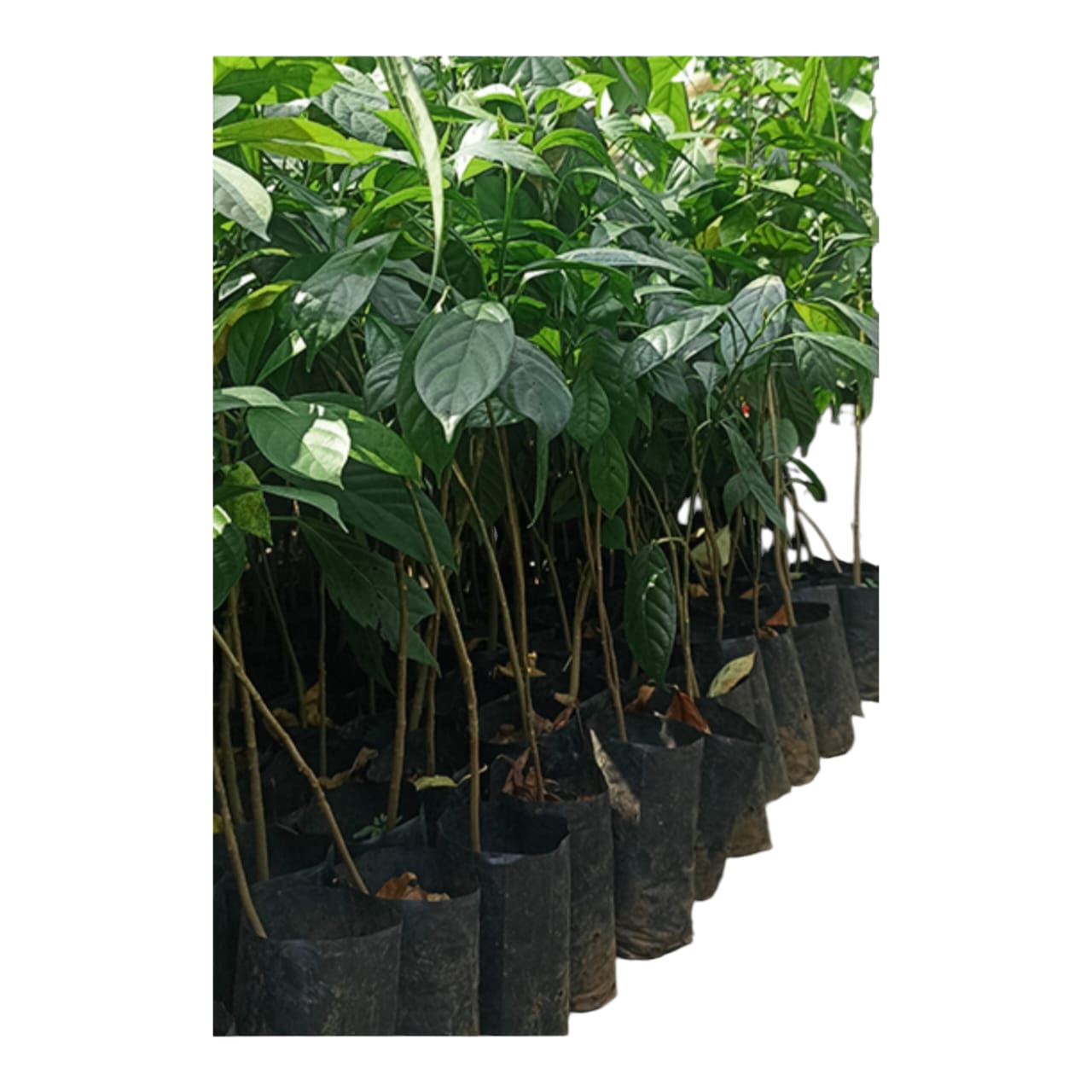
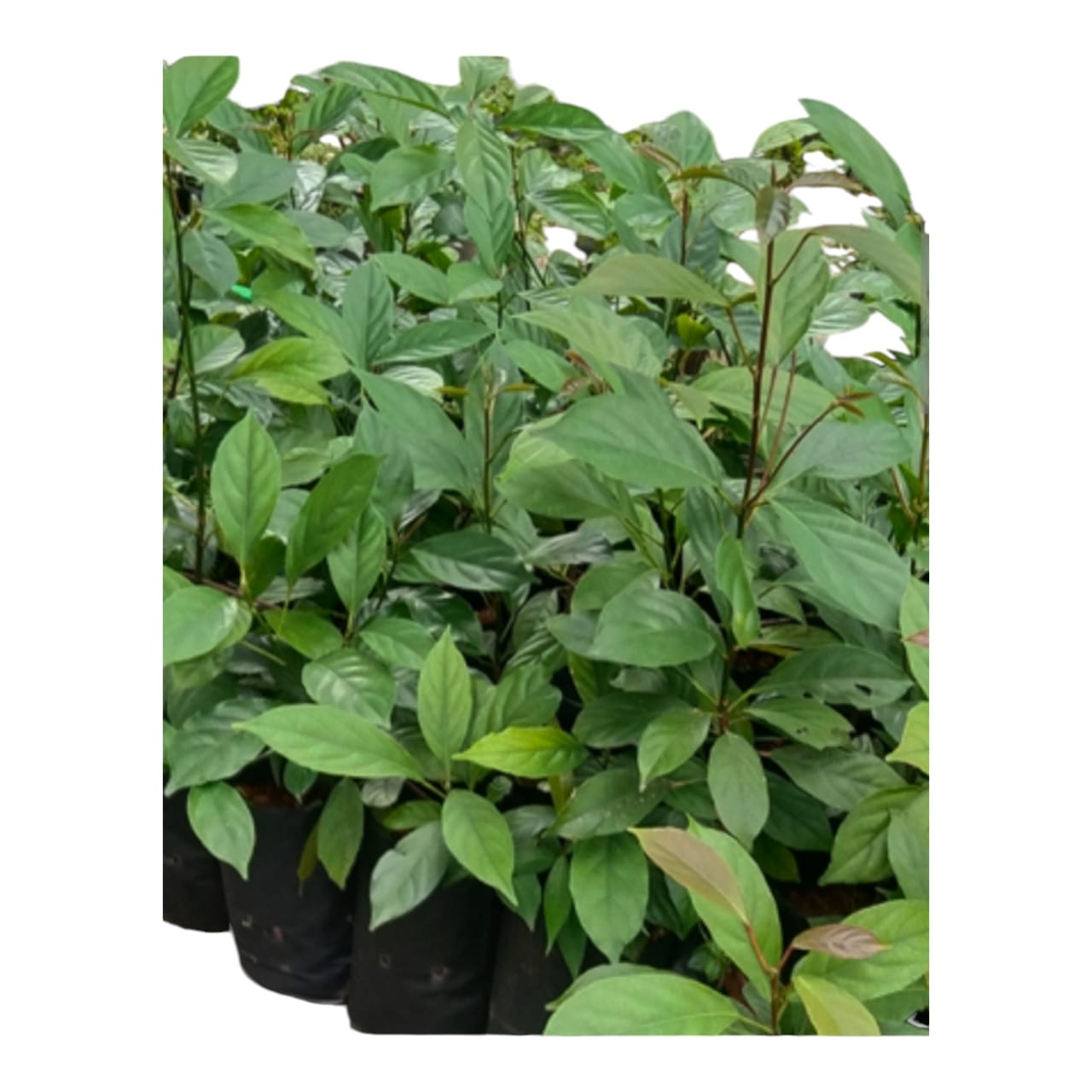
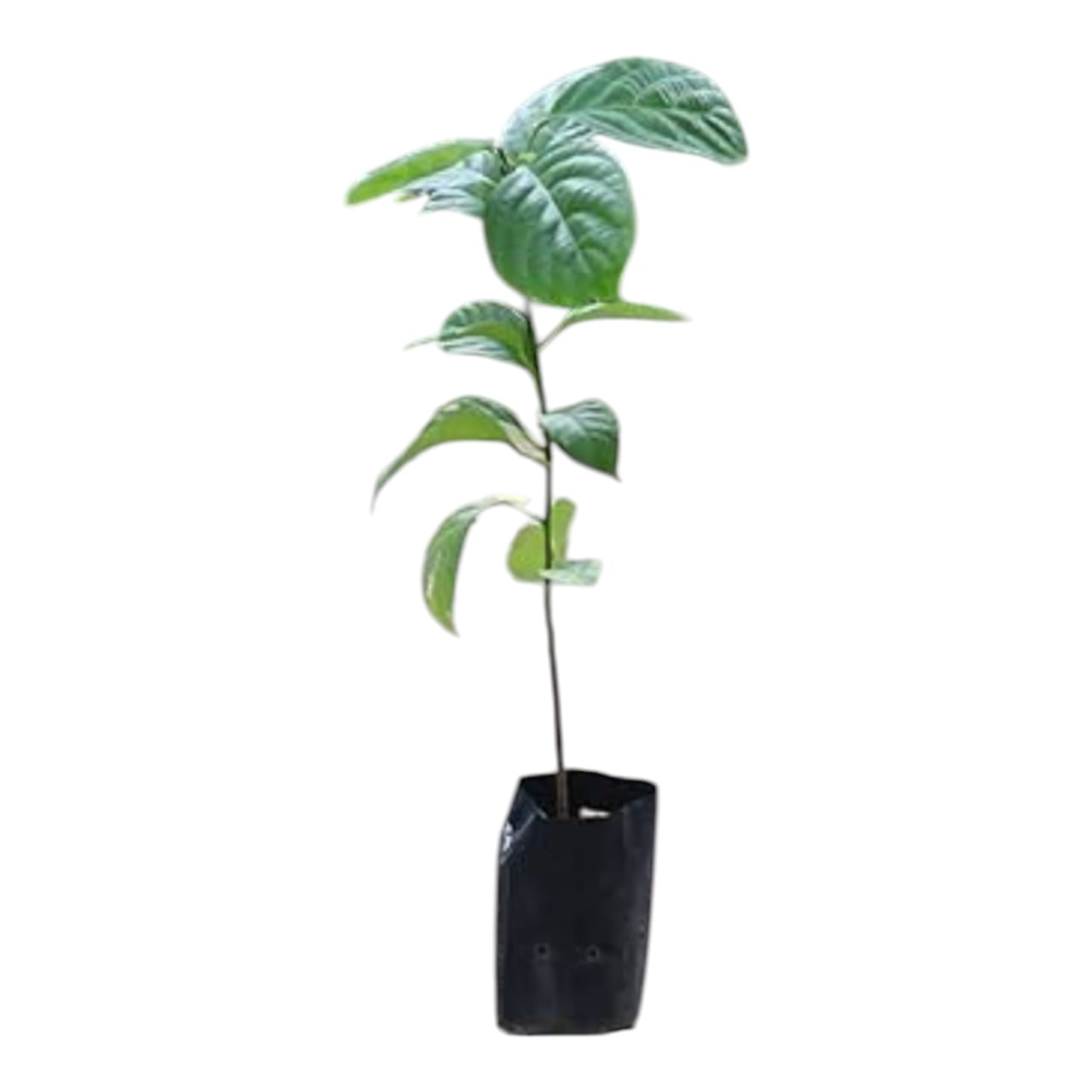
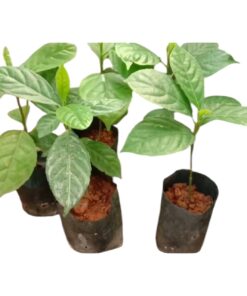
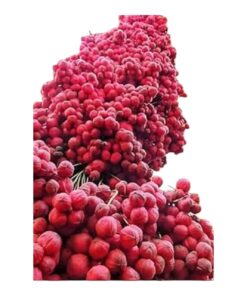
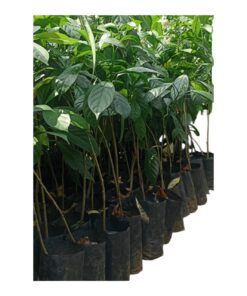
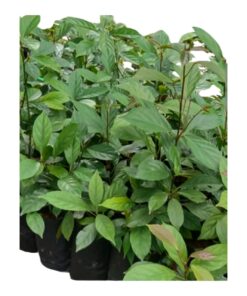
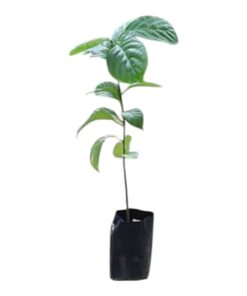

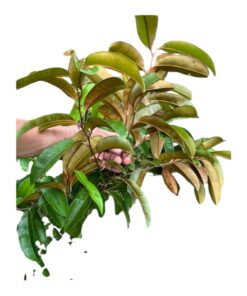
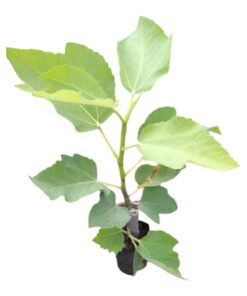
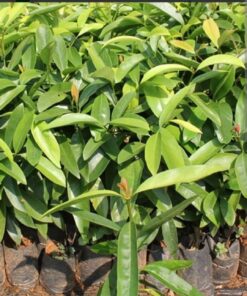
Bring the vibrant beauty of the Muttipazham Plant into your living space and garden. Known for its lush green leaves and occasional fruit-bearing potential, this plant is highly valued both as an ornamental and functional greenery. Its elegant appearance makes it ideal for enhancing patios, balconies, kitchens, or indoor plant corners.
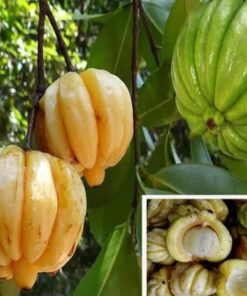
The Muttipazham Plant thrives in both indoor and outdoor settings with minimal care. It prefers well-drained soil and moderate sunlight, adapting well to pots or garden beds. Regular watering and occasional pruning help maintain its healthy, bushy growth. Over time, it can provide small, edible fruits, making it both a decorative and productive plant.
Besides its aesthetic appeal, this plant brings a tropical vibe and fresh greenery to your home. Its broad leaves and dense foliage create a natural, calming environment, perfect for relaxation or meditation areas. Beginners and experienced gardeners alike will find it easy to grow and maintain.
Whether you’re looking to start a home garden, enhance your interior decor, or enjoy small homegrown fruits, the Muttipazham Plant is a versatile and rewarding choice. Its adaptability, low maintenance, and tropical charm make it a must-have for plant enthusiasts.
Bullet Points
-
Botanical Name: [Add if known, e.g., Musa sp. for banana-type plants]
-
Plant Type: Ornamental & Fruit-Bearing Plant
-
Uses: Indoor Decoration, Garden Landscaping, Small Fruit Production
-
Growth: Prefers moderate sunlight; adaptable to pots and garden beds
-
Maintenance: Low-maintenance; regular watering and pruning recommended
-
Pot Size: Suitable for indoor and outdoor pots
-
Aesthetic Value: Lush green foliage; tropical decor appeal
-
Beginner-Friendly: Easy to grow and maintain
Caring Tips
-
Sunlight: Needs moderate to bright indirect sunlight daily.
-
Watering: Keep soil moist but not waterlogged; avoid overwatering.
-
Soil: Well-drained, fertile soil is ideal.
-
Fertilizer: Use organic or balanced fertilizer every 2–3 months.
-
Pruning: Trim dead leaves regularly to encourage healthy growth.
-
Pests/Diseases: Watch for common pests like aphids or mites.
-
Temperature: Thrives in 20–30°C; protect from frost.
Be the first to review “Muttipazham Plant – Exotic Ornamental & Fruit-Bearing Greenery, Indoor/Outdoor Easy-Grow Potted Plant, Lush Foliage for Home & Garden”
You must be logged in to post a review.
Related products
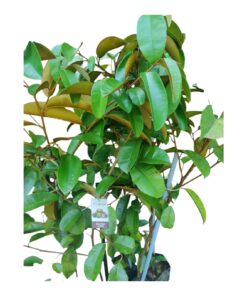
Water plants, lotus
Reviews
There are no reviews yet.