
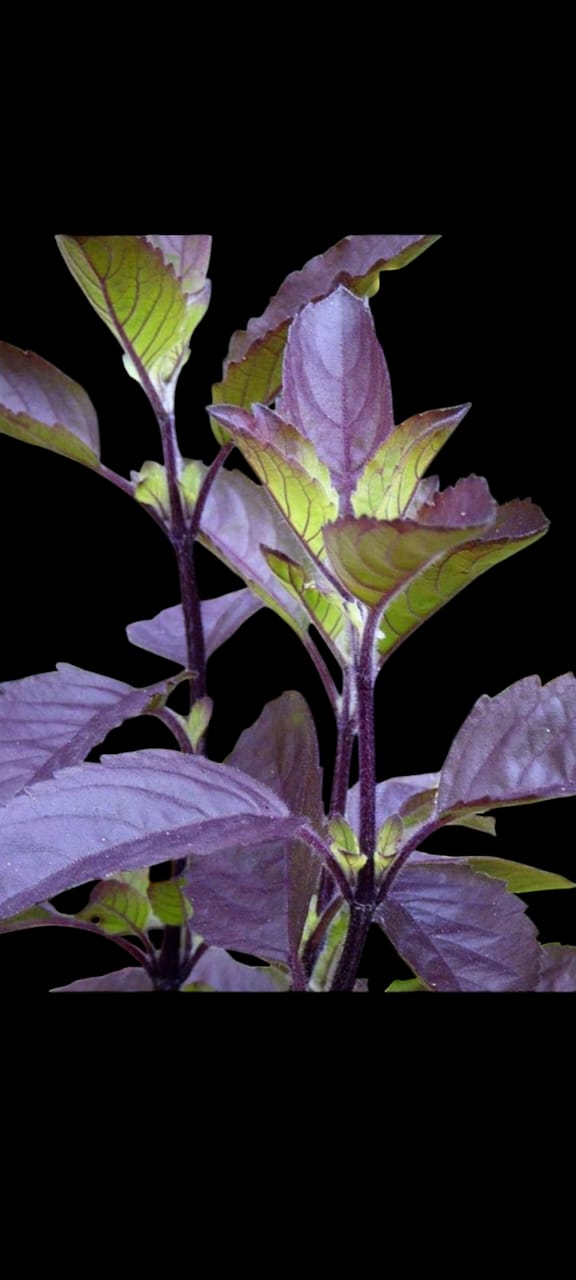
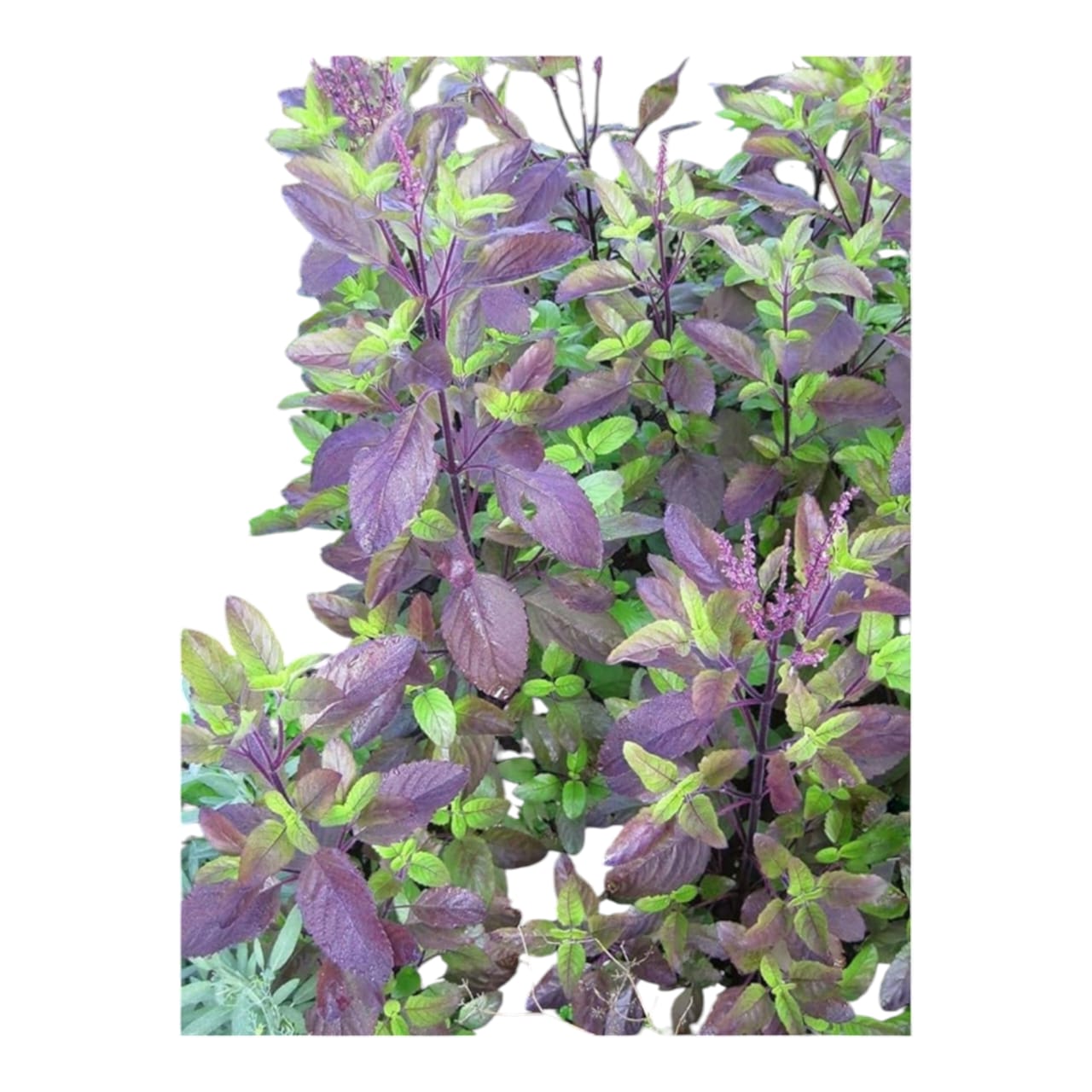
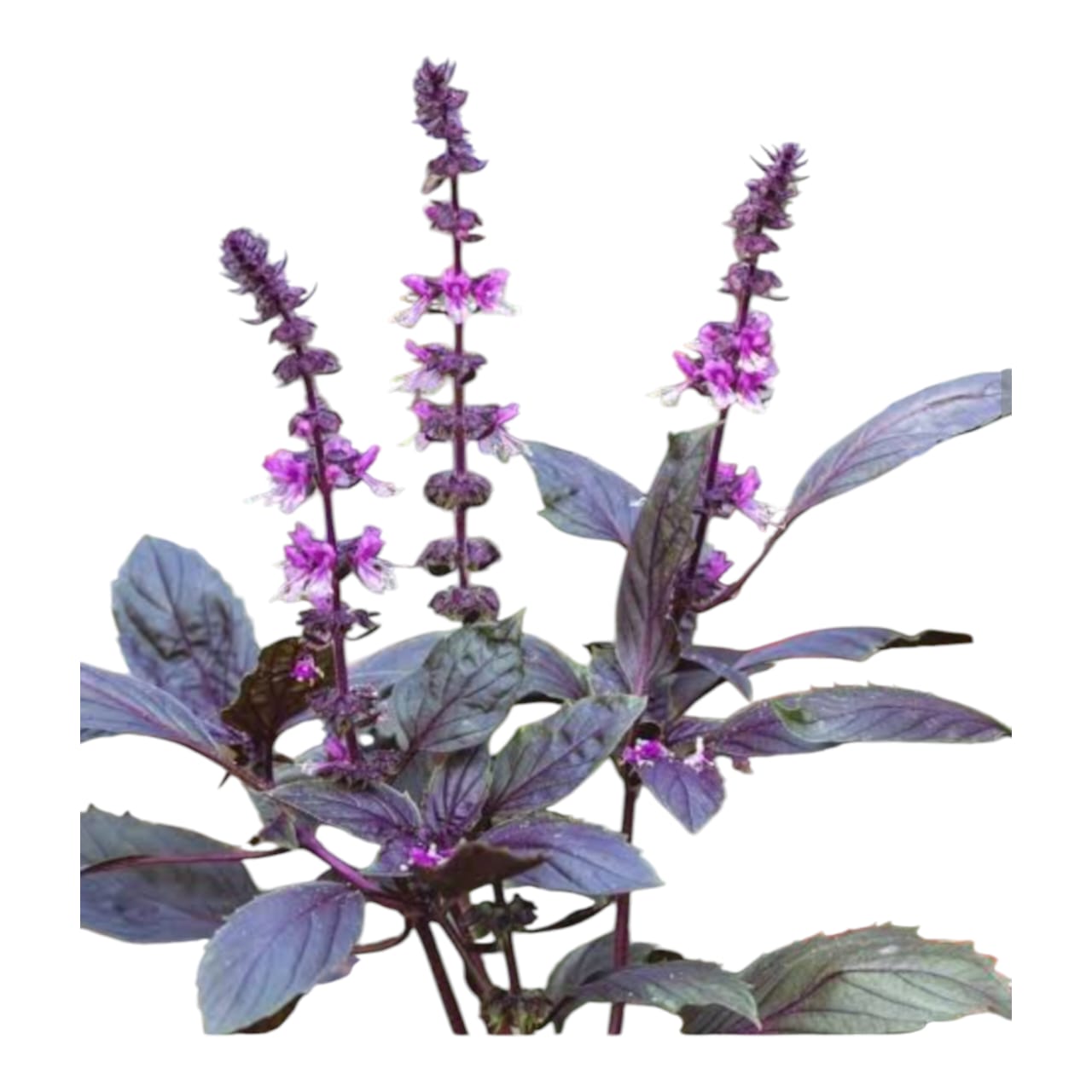
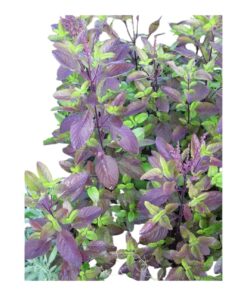
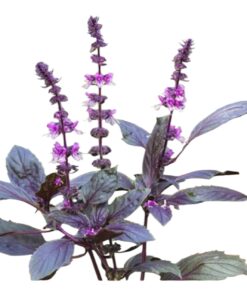
The Krishna Thulasi Plant, scientifically known as Ocimum tenuiflorum (or Ocimum sanctum), is a revered variety of Holy Basil, widely cherished in India for its spiritual, medicinal, and aromatic qualities. Known for its distinct deep purple leaves and stems, this sacred herb holds a special place in Ayurvedic medicine and Hindu tradition.
Unlike the common green Rama Tulsi, Krishna Tulsi is easily identifiable by its striking purplish hue and stronger aroma. It is named after Lord Krishna, symbolizing purity, protection, and divine energy. In Hindu households and temples, Krishna Thulasi is considered a manifestation of Goddess Lakshmi and is worshipped daily for spiritual well-being and positive energy.
Medicinally, this plant is a powerhouse of antioxidants and essential oils, making it an effective remedy in Ayurveda. It is known to boost immunity, relieve respiratory ailments, reduce stress, and support digestion. The leaves are often used to make herbal teas, kadha (decoctions), and Ayurvedic formulations for colds, coughs, and fever.
Krishna Tulsi thrives in warm tropical climates and is best grown in sunny areas with well-draining soil. It can be cultivated in pots, balconies, or gardens, requiring regular watering and occasional pruning. The plant not only purifies the air but also creates a calming and spiritual atmosphere in its surroundings.
This sacred herb is a perfect addition to home gardens, temple courtyards, and herbal collections, offering a blend of spiritual purity and natural wellness.
🌸 Key Features & Benefits
-
🌿 Sacred and medicinal herb with deep purple leaves
-
🌸 Rich in antioxidants, vitamins, and essential oils
-
🌞 Thrives in tropical climates with full sunlight
-
💧 Low-maintenance and easy to grow at home
-
🌱 Purifies air and promotes positive energy
-
🍵 Ideal for herbal teas and Ayurvedic remedies
-
🪴 Perfect for homes, temples, and spiritual spaces
🌿 Caring Tips
-
Light: Requires at least 5–6 hours of direct sunlight daily.
-
Watering: Water regularly but avoid waterlogging.
-
Soil: Use well-drained, fertile organic soil.
-
Fertilizer: Apply organic compost monthly for healthy growth.
-
Pruning: Trim regularly to encourage bushier growth.
-
Temperature: Best suited for warm, tropical climates.
-
Propagation: Easily grown from seeds or stem cuttings.
Be the first to review “Krishna Thulasi Plant (Ocimum tenuiflorum – Black Holy Basil) – Sacred Ayurvedic Herb with Deep Purple Leaves | Medicinal, Fragrant & Spiritual Plant for Home and Temple Gardens”
You must be logged in to post a review.
Related products
Reviews
There are no reviews yet.