
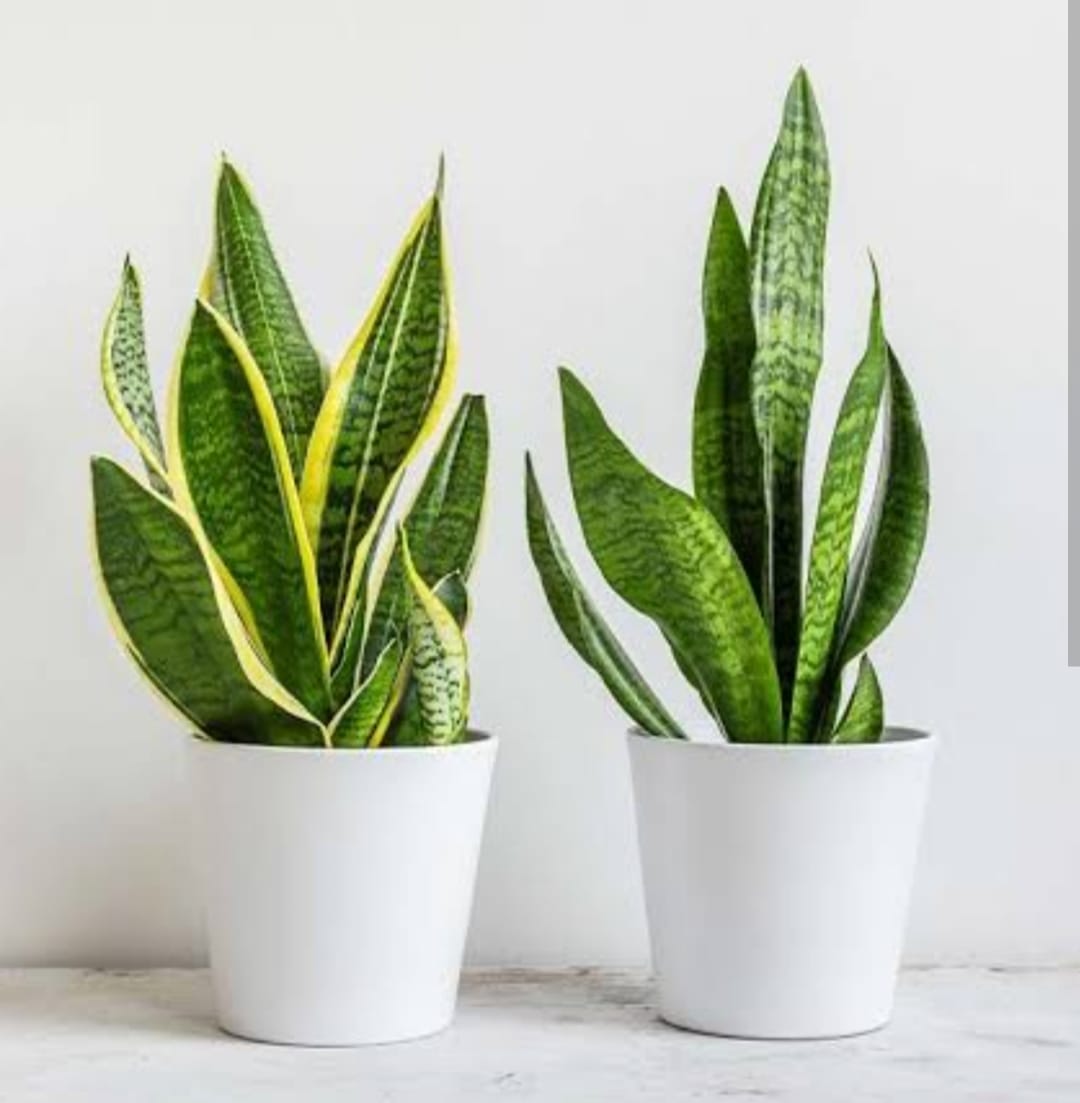
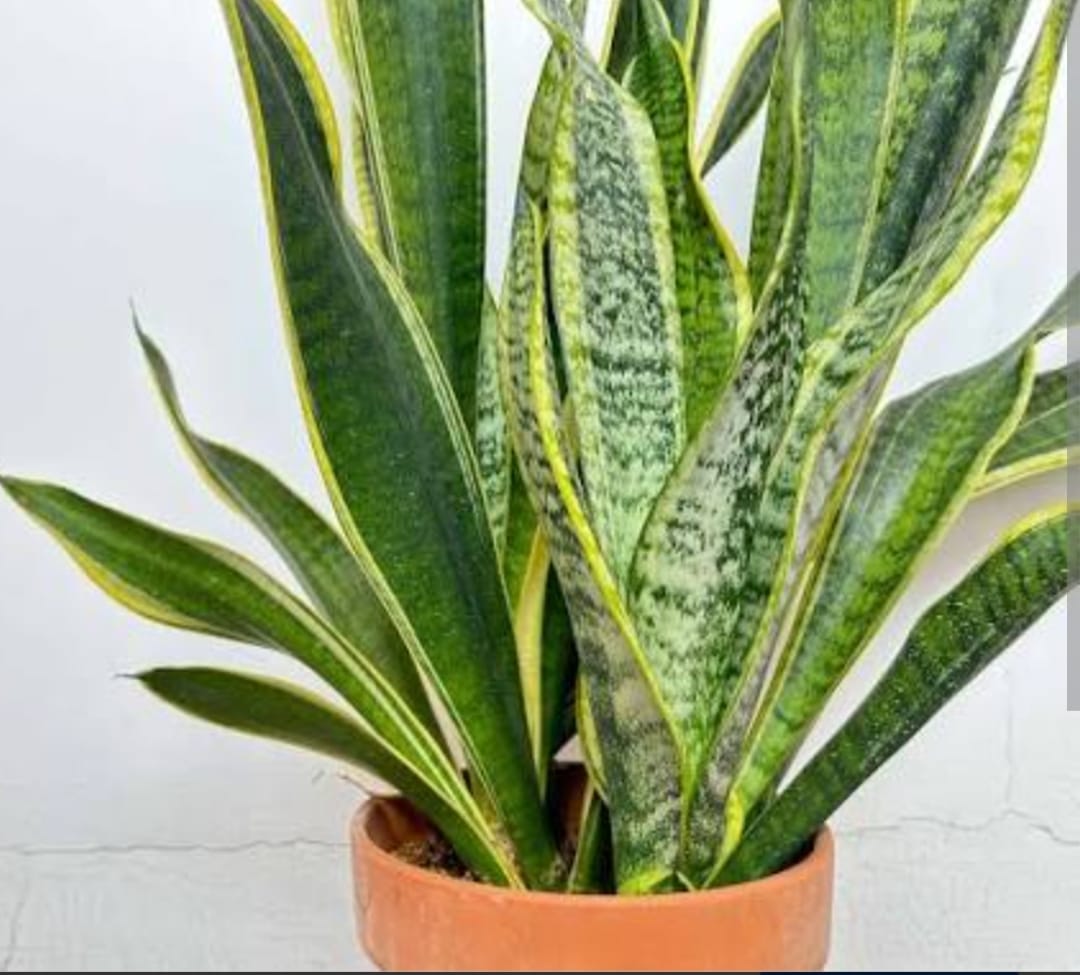
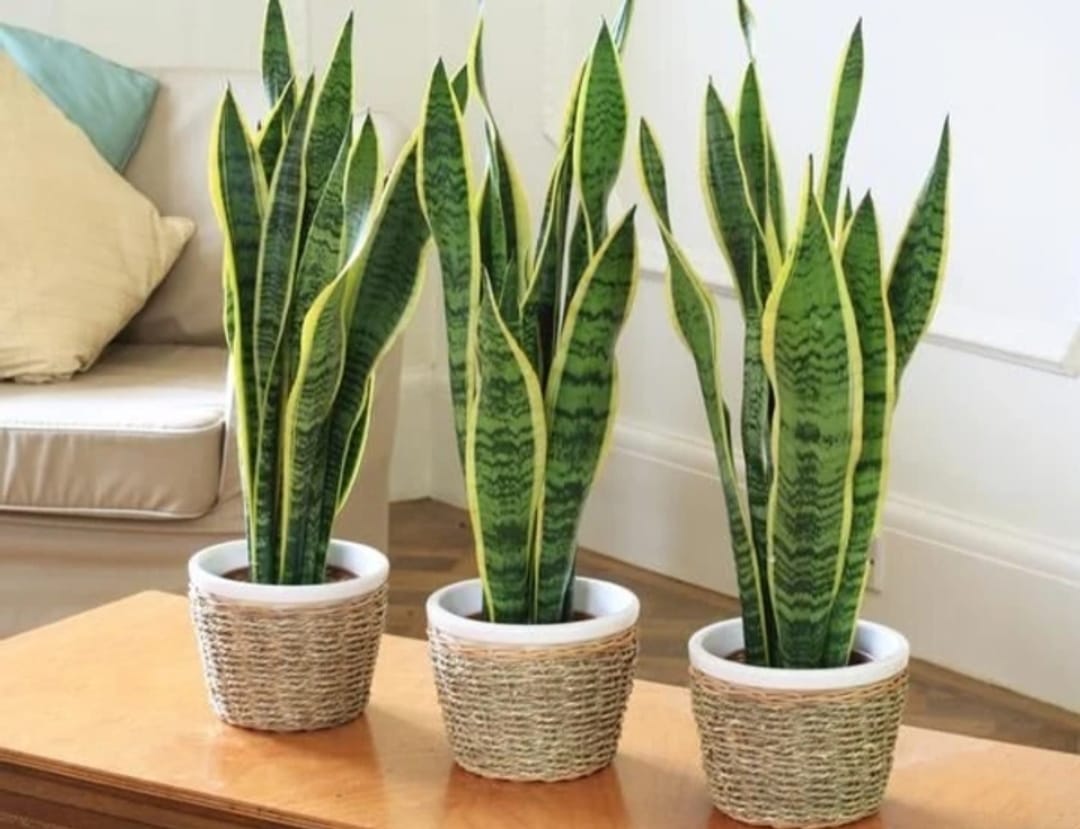
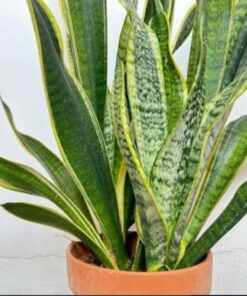
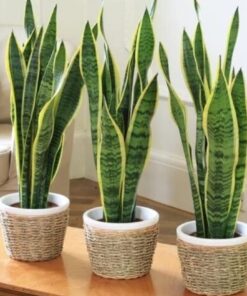
The Snake Plant, scientifically known as Sansevieria trifasciata and commonly called the Mother-in-Law’s Tongue, is one of the most popular and resilient indoor plants in the world. Originating from West Africa, this hardy succulent is celebrated for its striking upright sword-like leaves that feature patterns of green, yellow, and gray. Its architectural form adds a modern, elegant touch to both homes and offices.
What makes the Snake Plant truly exceptional is its air-purifying ability. Recognized by NASA’s Clean Air Study, it effectively removes toxins such as formaldehyde, benzene, and xylene from indoor air while releasing oxygen even at night—making it one of the best plants for bedrooms and living spaces.
Snake Plants are extremely low-maintenance, thriving with minimal water and light. They tolerate neglect, making them ideal for beginners or busy individuals. The plant can survive in low light conditions but grows best in bright, indirect light. Its fleshy, upright leaves store water, allowing it to withstand drought for weeks.
This versatile plant fits beautifully into modern interiors, workspaces, and patios, either as a tabletop accent or a tall floor plant. It can also be paired with decorative pots to enhance visual appeal. In addition to its ornamental value, it’s known for promoting positive energy and better indoor air quality.
With its elegant appearance, toughness, and proven health benefits, the Snake Plant is an all-rounder—perfect for anyone looking to add greenery, style, and freshness to their space.
🌸 Key Features & Benefits
-
🌿 Excellent air-purifying plant approved by NASA
-
🌞 Thrives in low to bright indirect light
-
💧 Requires minimal watering – highly drought-tolerant
-
🏡 Perfect for homes, offices, and bedrooms
-
🌱 Releases oxygen at night and improves air quality
-
🪴 Modern, upright leaves with beautiful variegation
-
🌼 Long-living and extremely low-maintenance plant
🌿 Caring Tips
-
Light: Prefers bright, indirect light but tolerates low light.
-
Watering: Water only when soil is completely dry; overwatering causes root rot.
-
Soil: Use well-draining cactus or succulent mix.
-
Fertilizer: Feed with diluted liquid fertilizer once every 2–3 months.
-
Temperature: Ideal between 18–32°C; protect from frost.
-
Propagation: Divide rhizomes or use leaf cuttings in soil or water.
-
Placement: Great for bedrooms, living rooms, and workspaces.
Be the first to review “Snake Plant (Sansevieria trifasciata) – Air-Purifying Indoor Succulent with Upright Variegated Leaves | Low-Maintenance, Drought-Tolerant Home & Office Décor Plant for Healthy Living Spaces”
You must be logged in to post a review.
Related products





Cactus
Golden Barrel Cactus (Echinocactus grusonii) – The Radiant Desert Jewel for Home & Garden Décor
Reviews
There are no reviews yet.