
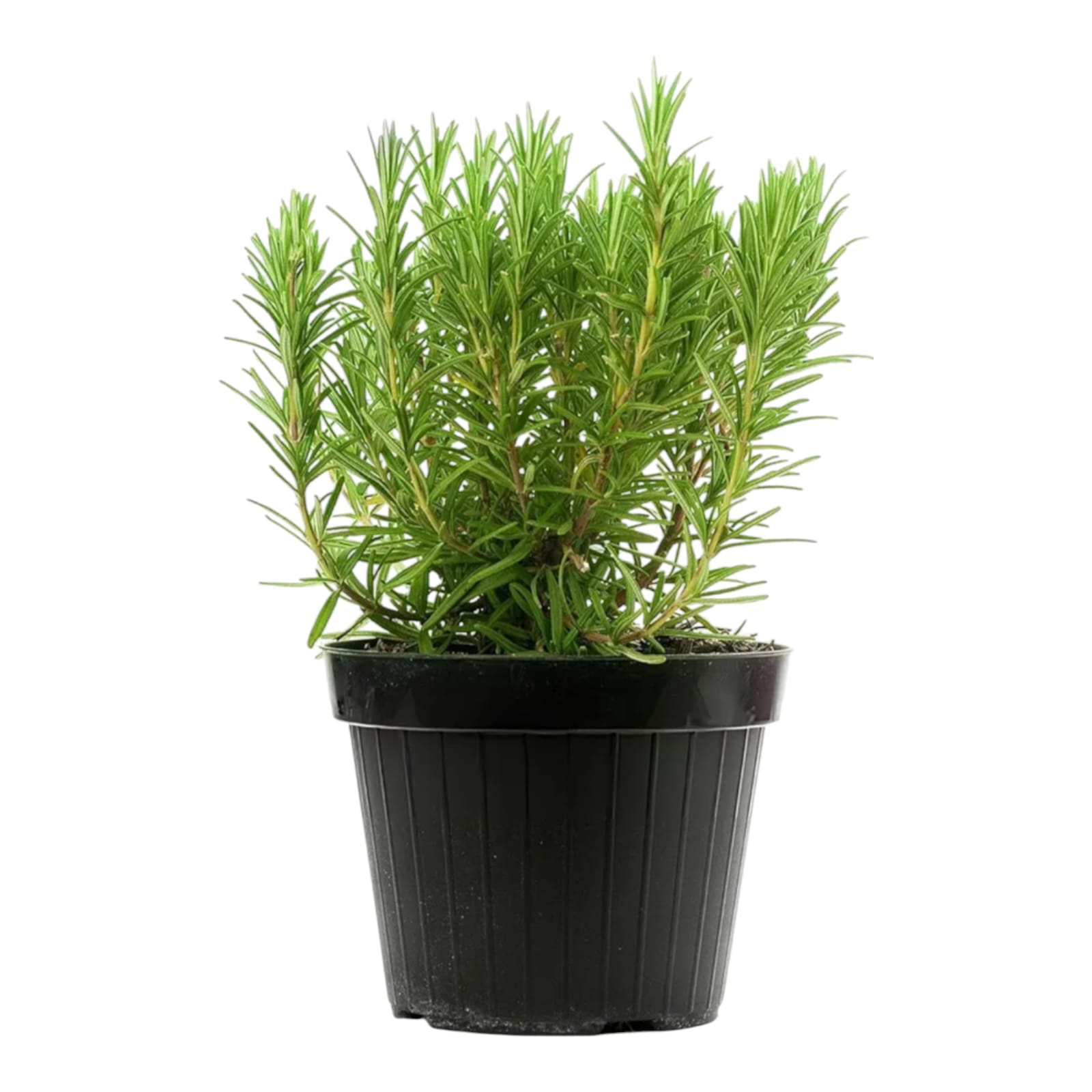
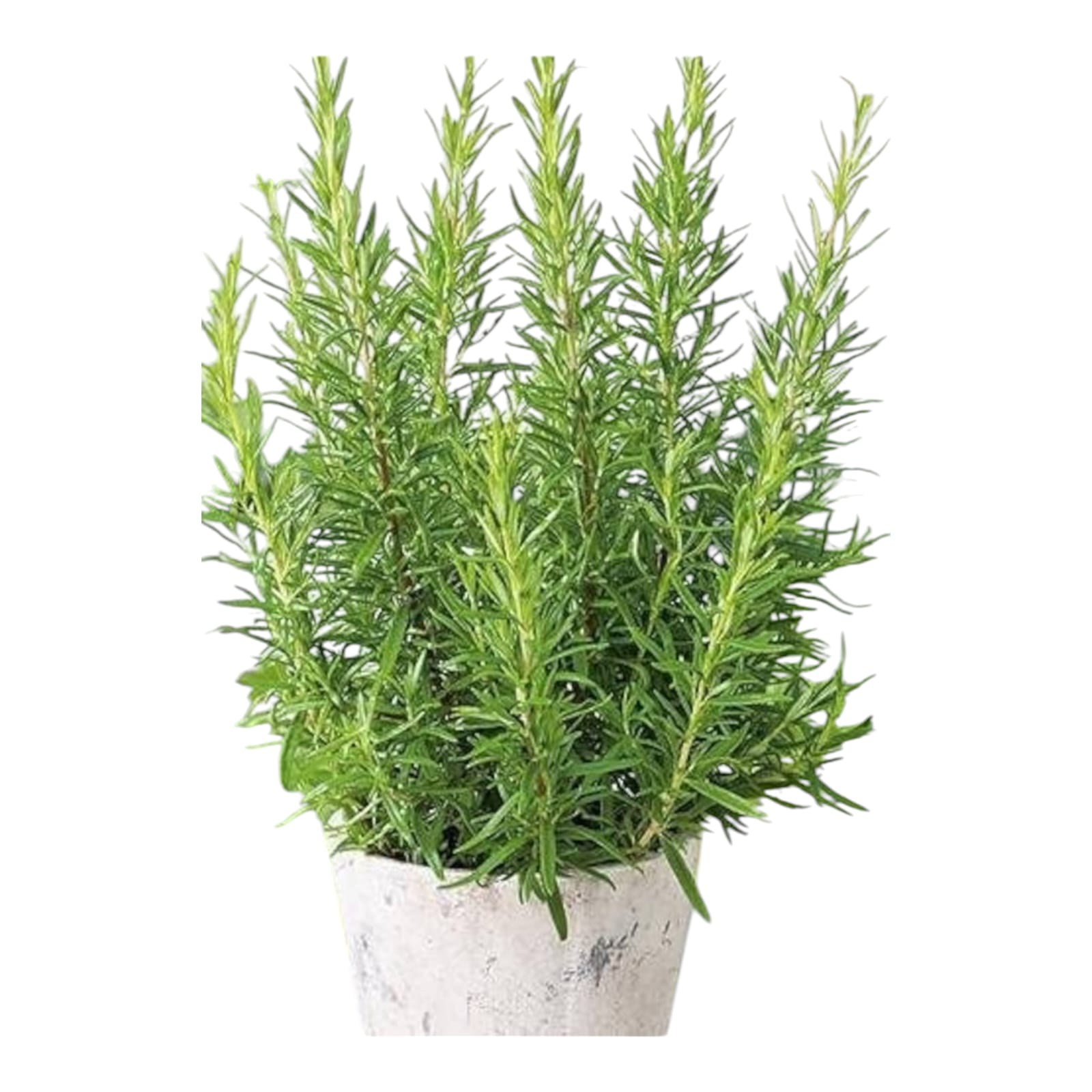
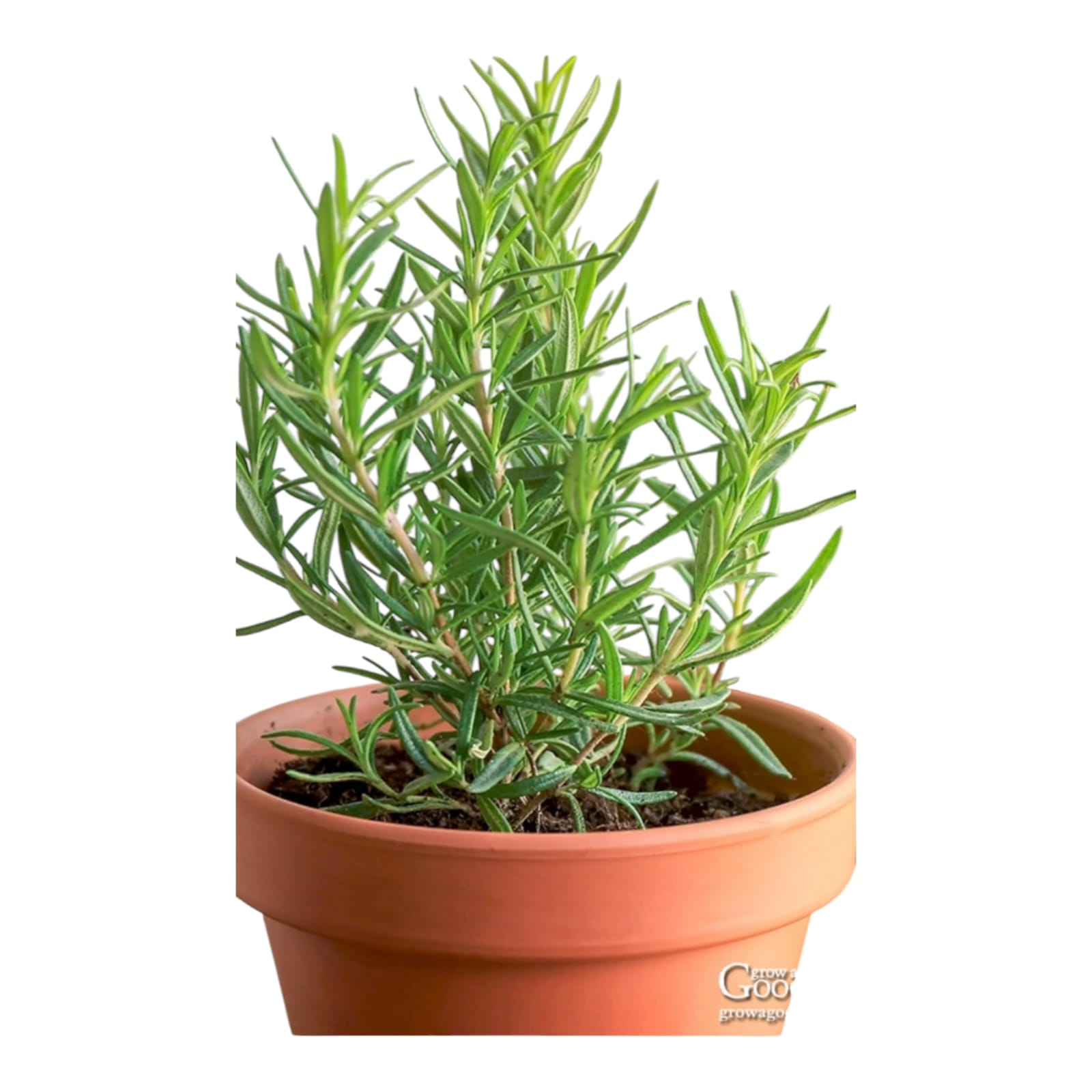
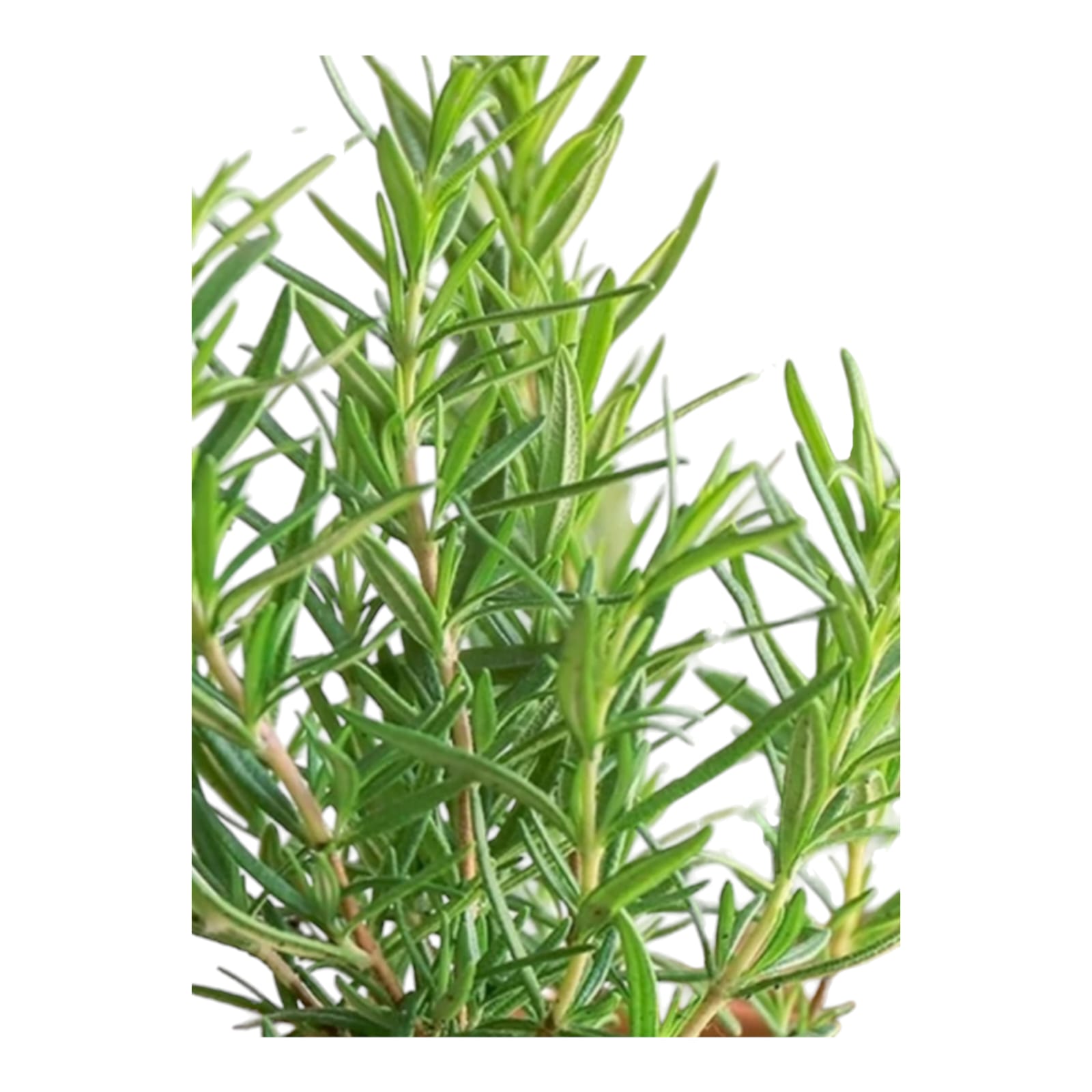
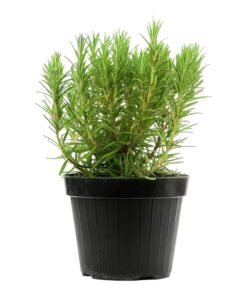
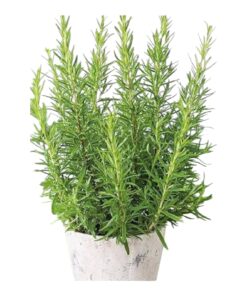
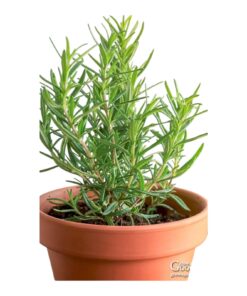
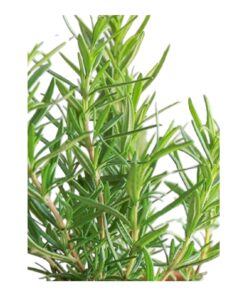
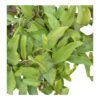
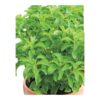
Bring home the timeless charm and health benefits of the Rosemary Plant (Rosmarinus officinalis), a hardy and aromatic herb cherished for centuries. Known for its needle-like leaves and delightful fragrance, rosemary adds a fresh touch to your garden, balcony, or kitchen windowsill. Ideal for culinary enthusiasts, this herb enhances the flavor of roasted meats, vegetables, soups, and teas. Its aromatic properties also make it a natural air freshener, while its antioxidant and anti-inflammatory qualities contribute to wellness routines.
This plant is highly adaptable, thriving both indoors in pots and outdoors in gardens. Rosemary prefers well-drained soil and bright sunlight, making it a low-maintenance yet highly rewarding herb. Regular pruning encourages bushier growth and ensures a constant supply of tender leaves. Beyond its culinary uses, rosemary is valued in aromatherapy, natural skincare, and herbal remedies, making it a multifunctional addition to your home.
Perfect for beginners and experienced gardeners alike, this plant grows steadily over time and requires minimal effort to maintain. Whether you wish to create an aromatic herb garden, garnish your meals with fresh leaves, or explore natural remedies, the Rosemary Plant is an excellent choice. Its evergreen foliage ensures your space remains lush and vibrant throughout the year.
Bullet Points
-
Botanical Name: Rosmarinus officinalis
-
Plant Type: Evergreen Herb, Aromatic Plant
-
Uses: Culinary, Medicinal, Aromatherapy, Ornamental
-
Growth: Thrives in full sunlight; prefers well-drained soil
-
Pot Size: Suitable for indoor and outdoor pots
-
Maintenance: Low-maintenance; regular watering and occasional pruning
-
Health Benefits: Antioxidant, anti-inflammatory, memory-boosting properties
-
Indoor/Outdoor Friendly: Perfect for kitchens, balconies, patios, and gardens
Caring Tips
-
Sunlight: Requires at least 6–8 hours of direct sunlight daily.
-
Watering: Water moderately; avoid waterlogging. Allow soil to dry slightly between watering.
-
Soil: Well-drained, sandy or loamy soil is ideal.
-
Fertilizer: Use organic compost or balanced fertilizer every 2–3 months.
-
Pruning: Trim regularly to encourage bushy growth and remove woody stems.
-
Pests/Diseases: Generally pest-resistant; watch for aphids or powdery mildew.
-
Temperature: Thrives in 15–25°C; protect from frost.
Be the first to review “Rosemary Plant (Rosmarinus officinalis) – Aromatic Herb | Culinary & Medicinal Use, Indoor/Outdoor Potted Plant, Easy to Grow | Fresh Leaves for Cooking & Health Benefits”
You must be logged in to post a review.
Related products
Reviews
There are no reviews yet.